Ptosis surgery in Korea
Ptosis correction adjusts the muscle that lifts the upper lid. Plan 7–10 days in Korea.
- Rough cost, varies by clinic₩1.5–5M≈ US$1,100–3,700
- Time at clinic
- 60–90 min
- Anesthesia
- Local
- Typical recovery
- 7–14 days
- Days in Korea
- 7–10 days
Which ptosis correction clinic is best for you?
A KBW coordinator shortlists 2–3 partner clinics for your concern and budget.
Tell us your concern in the chat.
Reply within 24 hoursNo fee to KBW
Get up to 10% back in KBW points after your treatment. Your rate is explained after the consultation.
Why KBW can suggest a clinic
- interpreters
- 88
- sessions interpreted
- 2,800+
- partner clinics
- 3
36 of the interpreters work in English. Sessions as recorded by November 2026. These partner clinics have this treatment on their menu.
- No fee from you
- Clinics pay KBW a commission, within the government cap. The clinic's price stays its own.
- Since 2021
- Registered Foreign Patient Facilitator No. A-2024-01-01-5755 (Seoul Metropolitan Government).
Clinics we can arrange
Partner clinics with ptosis correction on their own menu, own department first, then Seoul. This order is not a ranking. We arrange your interpreter and collect your quote at any of them.
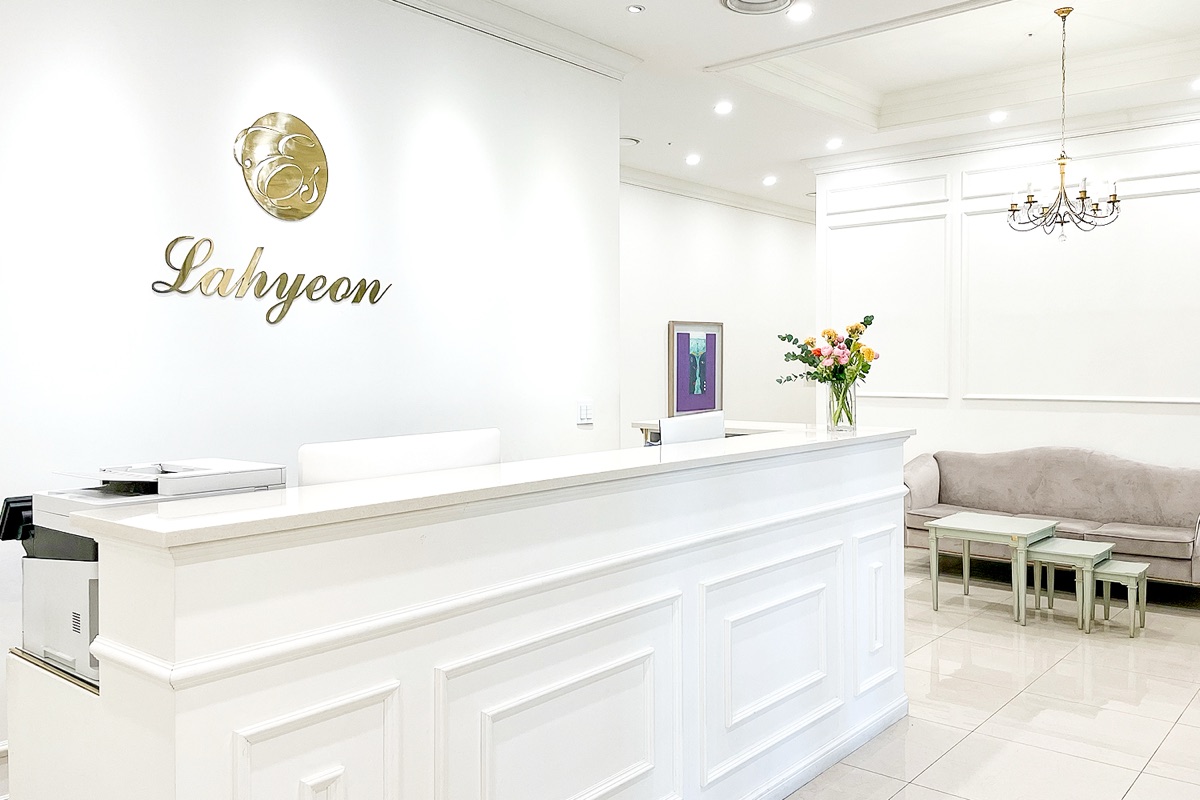 Rahyeon ClinicCheongdam · Plastic surgeryKBW helps in English, Japanese, ChineseAlso on its menu: Breast augmentation, Rhinoplasty, Liposuction
 WOOA Plastic SurgeryGangnam · Plastic surgeryOpen on SundaysAlso on its menu: Rhinoplasty, Double eyelid surgery, Breast augmentation
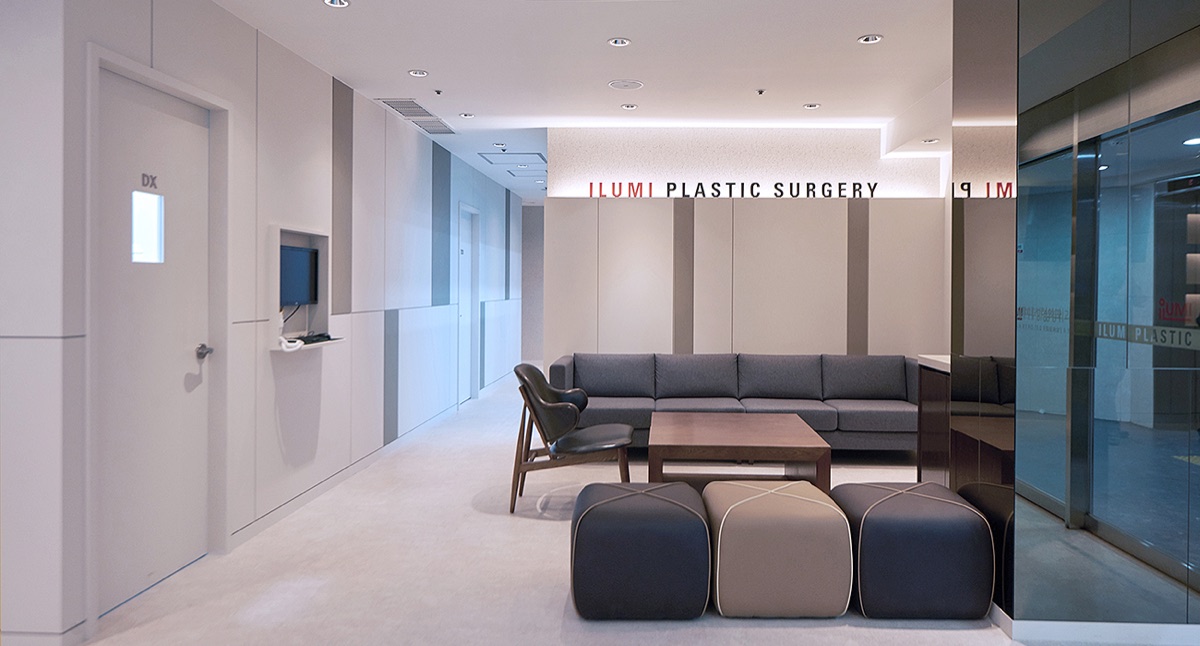 Ilumi Plastic SurgerySinsa · Plastic surgeryKBW helps in English · On Gangnam-daeroAlso on its menu: Rhinoplasty, Double eyelid surgery, Facial contouring (jaw, cheekbone)
What to know
Ptosis means the upper lid droops. The usual adult cause is a stretched lifting muscle, but rare diseases can also cause it, so a new or changing droop needs an eye exam first. Korean clinics also offer “eye-opening correction”, cosmetic work for mild droop. A quote may call it either name, so ask what is being tightened.
Common methods
Non-incision (suture) correction
Mild droop with good muscle function
Marketed by clinics as a shorter recovery. Ask how long it is expected to hold and what happens if it loosens.
Levator advancement through the crease
Mild to moderate droop, good or fair function
Tightens the lifting muscle through an incision and can set the crease at the same time.
Inner-lid (Müller muscle) resection
Mild to moderate droop, good function
Done from inside the lid. Offered by some surgeons, often oculoplastic.
Brow-muscle suspension
Poor or no muscle function
Links the lid to the forehead muscle. More often a medical case, and you may not fully close your eyes in sleep for a while.
Revision
Under- or over-correction, or relapse
Scar tissue makes it more complex. More than one surgery can be needed.
How much is ptosis surgery in Korea?
Rough range from public sources
About ₩1,500,000–5,000,000
≈ US$1,100–3,700, at a recent exchange rate
Rough range from public price guides, read November 2026. Sources conflict on add-on prices. It varies by clinic; your written quote decides.
The range above is a rough guide from public sources, not any clinic's price. Sources differ on whether it is priced alone or as an add-on, so each clinic's written quote is the number that counts. Send a photo of your eyes to start.
What changes the price
- Non-incision or incision
- Alone, or with double eyelid or inner corner work
- How strong your lifting muscle is
- A first surgery or a revision (revision usually costs more)
A good quote lists
- Surgery and anesthesia
- Method, by name
- Eye exam and tests before surgery
- Medicine and eye drops
- Stitch removal and follow-up visits
- VAT
Recovery, day by day
- Day 0
- About 60–90 minutes, usually under local anesthesia, so the surgeon may ask you to open your eyes to check height. Cold packs for 48 hours.
- Days 2–7
- Swelling and bruising. Stitches, if used, usually come out in this window. Use eye drops as told, since eyes can feel dry.
- Around day 10
- Most normal activity. Your surgeon says when to go back to work.
- Days 7–14
- Swelling settles for most people over 1–2 weeks. People usually plan the flight home after the surgeon's check.
- 2–4 weeks
- Strenuous exercise and heavy lifting wait 10–14 days, sometimes 3–4 weeks. Dark glasses help for two weeks.
- Several months
- Lid height and symmetry keep settling. Your surgeon reviews whether any adjustment is needed.
No ptosis-specific patient timeline was found. Early recovery from The Aesthetic Society's eyelid guide; the rest from the American Academy of Ophthalmology and surgeon sources. Your surgeon's schedule comes first.
Typical ranges from American Society of Plastic Surgeons patient guides. Your doctor sets your own plan — general information, not medical advice. plasticsurgery.org
Good to know before you book
Get the cause checked first
“Eye-opening” is a marketing word
Even eyes are hard
Plan for dry eyes
The VAT refund has ended
Before you fly
- Send front photos with eyes open, looking up and looking down.
- Bring your eye exam, and records of any past eyelid surgery or LASIK.
- Tell the clinic about dry eye, contact lens use, and any change in your droop during the day.
- List your medicines and supplements. Ask which to stop and when, including blood thinners.
- Book a return date you can change, in case an adjustment is suggested.
How to choose a clinic
Look for
- 1The surgeon is named in writing, with their specialty, such as plastic surgery or ophthalmology.
- 2You meet that surgeon before surgery, not only a consultant.
- 3They measure lid height and muscle function, not only look at photos.
- 4They ask why your lid droops and send you for tests if something looks unusual.
- 5They explain under- and over-correction, and the terms for an adjustment.
- 6You have a written plan for problems after you fly home.
What to ask at the consultation
- 1Do I have true ptosis, or would double eyelid surgery alone do it?
- 2What did you measure, and what does it say about my muscle?
- 3Non-incision or incision: which do you suggest for me, and why?
- 4Will I be able to close my eyes fully? What about dry eyes?
- 5If the lids end up uneven or the droop returns, what happens and who pays?
- 6When can I fly, and who checks me first?
Questions people ask
How much is ptosis surgery in Korea?
Public price guides put it at roughly ₩1,500,000–5,000,000. Sources conflict on add-on prices when combined with eyelid surgery. You see the written quote before you fly; the clinic confirms the final price after your consultation.
Which ptosis clinic in Korea is best for me?
We do not name a best clinic. Korean medical advertising law bans that claim, and the right clinic depends on your lids, method and budget. Tell us those and a coordinator suggests 2–3 partner clinics.
How long should I stay in Korea?
Plan 7–10 days. Swelling settles for most people over 1–2 weeks, and people usually plan the flight home after the surgeon's check.
Do I need a doctor to check it first?
Yes, if the droop is new or changing. The American Academy of Ophthalmology advises adults with a droop to have a complete eye exam to find the cause. Rare causes, including nerve and muscle diseases, need medical care.
Is it the same as double eyelid surgery?
No. Double eyelid surgery makes a crease. Ptosis correction changes how high the lid lifts. They are often done together and priced separately, so check that each is named on your quote.
Is ptosis surgery in Korea safe?
Every surgery has risks, including under- or over-correction, uneven lids, dry eye, trouble closing the eye, infection and droop returning. More than one surgery can be needed. No clinic can rule them out. Check the surgeon and follow-up plan on this page.
Why are there no reviews or before-and-after photos here?
Korean medical advertising law bars treatment reviews and before-and-after photos in this kind of advertising. Ask a coordinator what you want to know, and ask the clinic at your consultation.
Will someone interpret at the clinic?
Yes. Tell us when you ask and we arrange an interpreter for your visits.
General information, not medical advice. Your doctor decides what suits you.
Why sign up
- Keep your treatment and trip plan on your phone and share it.
- Earn points on KBW stays, tours and shopping.
- Your member code goes with your message, so your points follow you.
1,000 welcome points when you join. Free, no card.
Sign up freeWhat else do you need for this trip?
Tap Add and it goes into one plan.
- UH Flat Signature GangnamGangnam · 4.5-starUS$187.40~ / nightEarn about US$9 in points
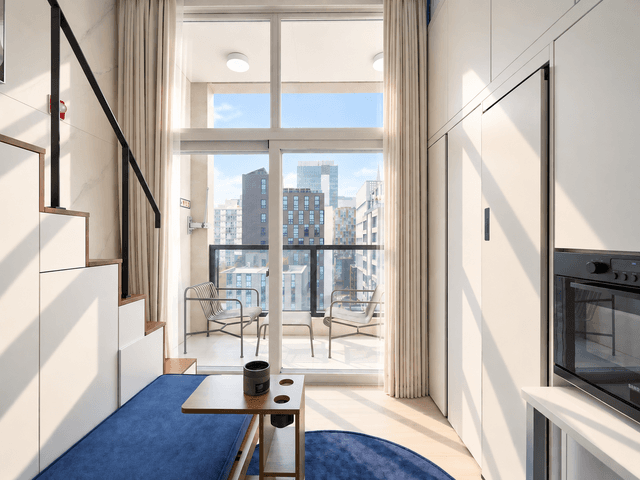
- UH Suite The GangnamGangnam · 4-starUS$404.40~ / nightEarn about US$20 in points

- UH Flat The SeochoGangnam · 4.5-starUS$203.93~ / nightEarn about US$10 in points
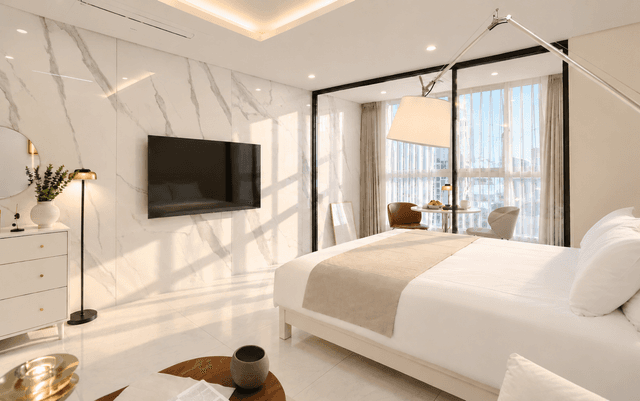
- UH Suite The SeolleungGangnam · 3-starUS$350.48~ / nightEarn about US$18 in points
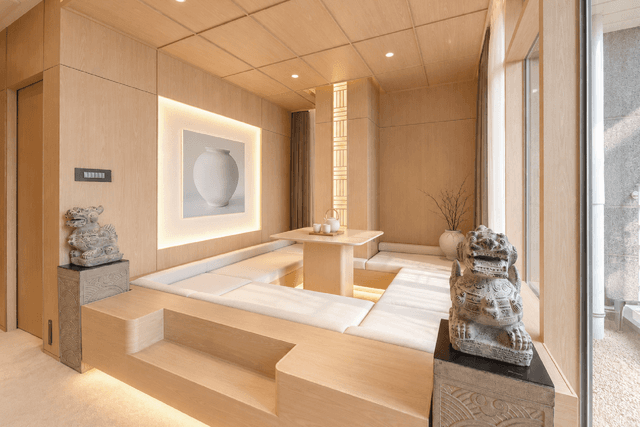
- A Warm and Comfortable Apartment Located in the heGangnam · Serviced apartment≈ US$457~ / night

Prices are from-rates and vary by date. Each stay page shows the price for your dates.

General travel planning, not medical advice — follow your clinic's instructions.
