ICL Surgery in Korea
ICL places a lens inside the eye, with no corneal tissue removed. People usually plan 4–7 days.
- Rough cost, varies by clinic₩4.7–7.5M, both eyes≈ US$3,500–5,600, both eyes
- Time at clinic
- 30–60 min
- Anesthesia
- Local
- Typical recovery
- 1–3 days
- Days in Korea
- 4–7 days
Your days in Korea
- 1
- 2
- 3
- 4
- 5
- 6
- 7
Which ICL surgery clinic is best for you?
A KBW coordinator shortlists 2–3 partner clinics for your concern and budget.
Tell us your concern in the chat.
Reply within 24 hoursNo fee to KBW
Get up to 10% back in KBW points after your treatment. Your rate is explained after the consultation.
Clinics we can arrange
Partner clinics with ICL on their own menu, own department first, then Seoul. This order is not a ranking.
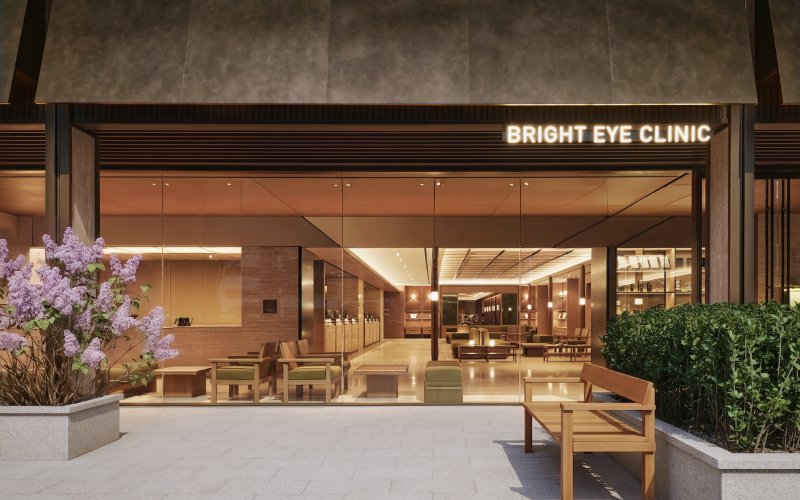 BGN Eye Clinic GangnamGangnam · LASIK & eyeOn Gangnam-daeroAlso on its menu: LASIK / LASEK, SMILE LASIK
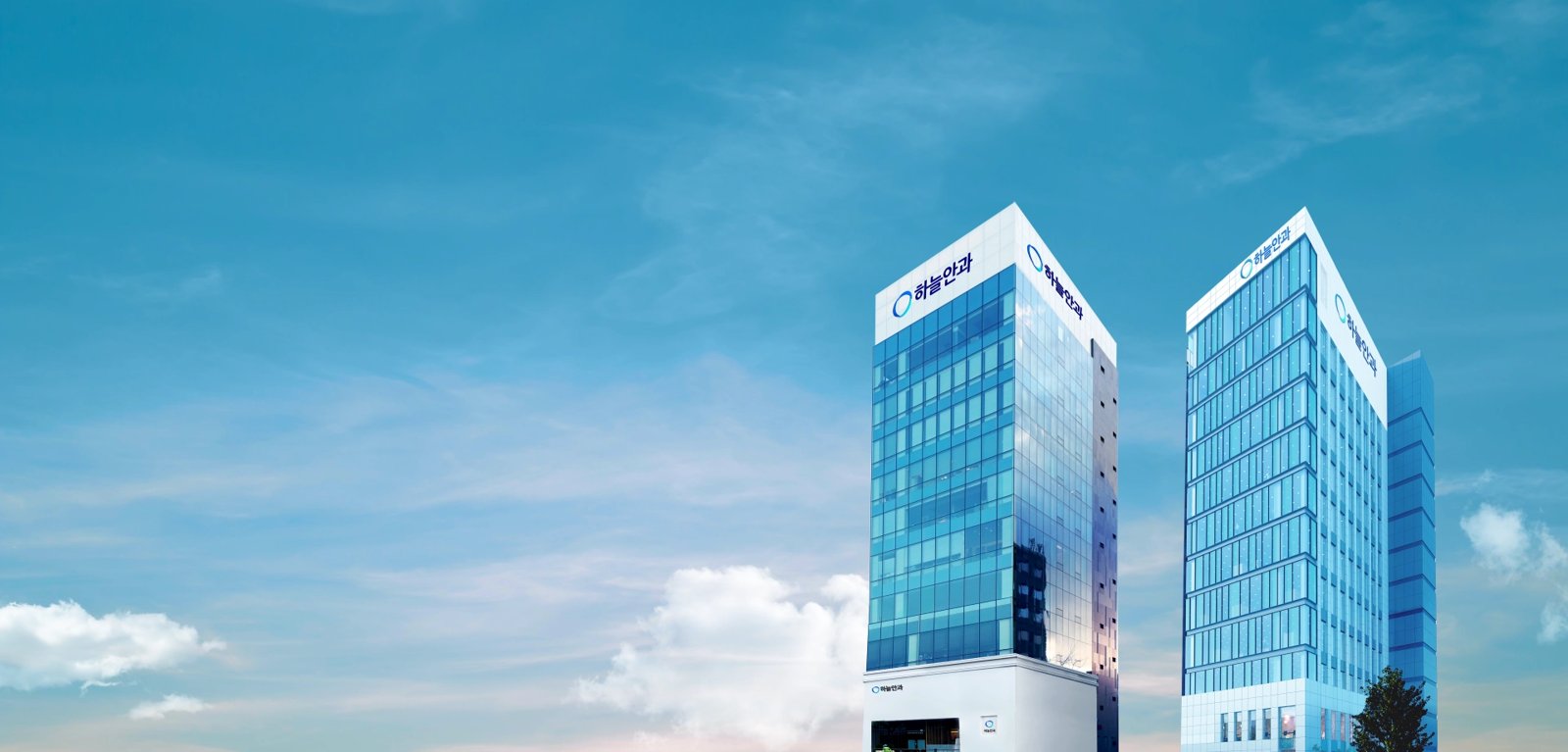 Haneul Eye Clinic GangnamGangnam · LASIK & eyeOn Gangnam-daeroAlso on its menu: LASIK / LASEK, SMILE LASIK
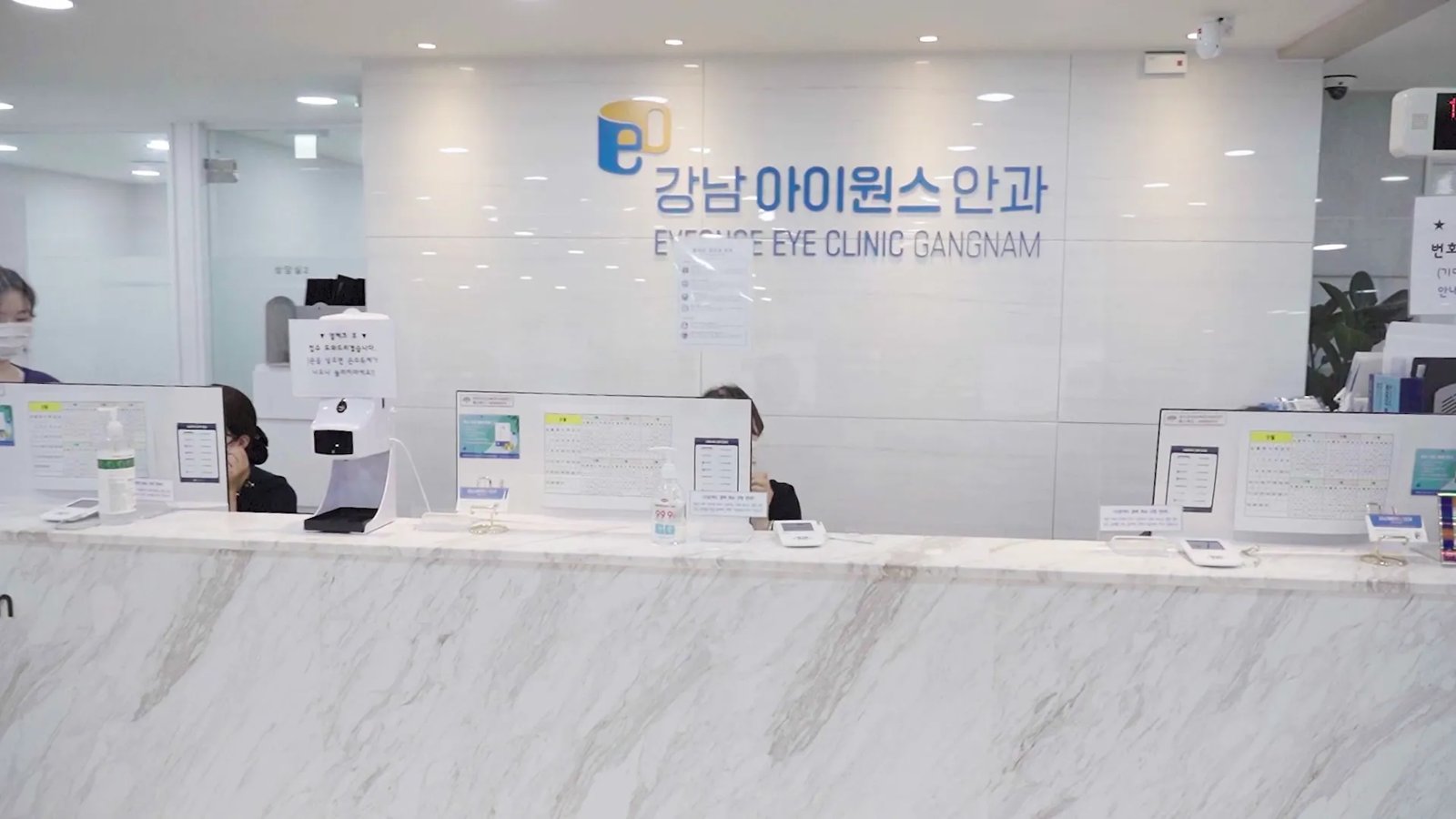 Eyeonce Eye ClinicGangnam · LASIK & eyeOn Sapyeong-daeroAlso on its menu: LASIK / LASEK, SMILE LASIK, Double eyelid surgery
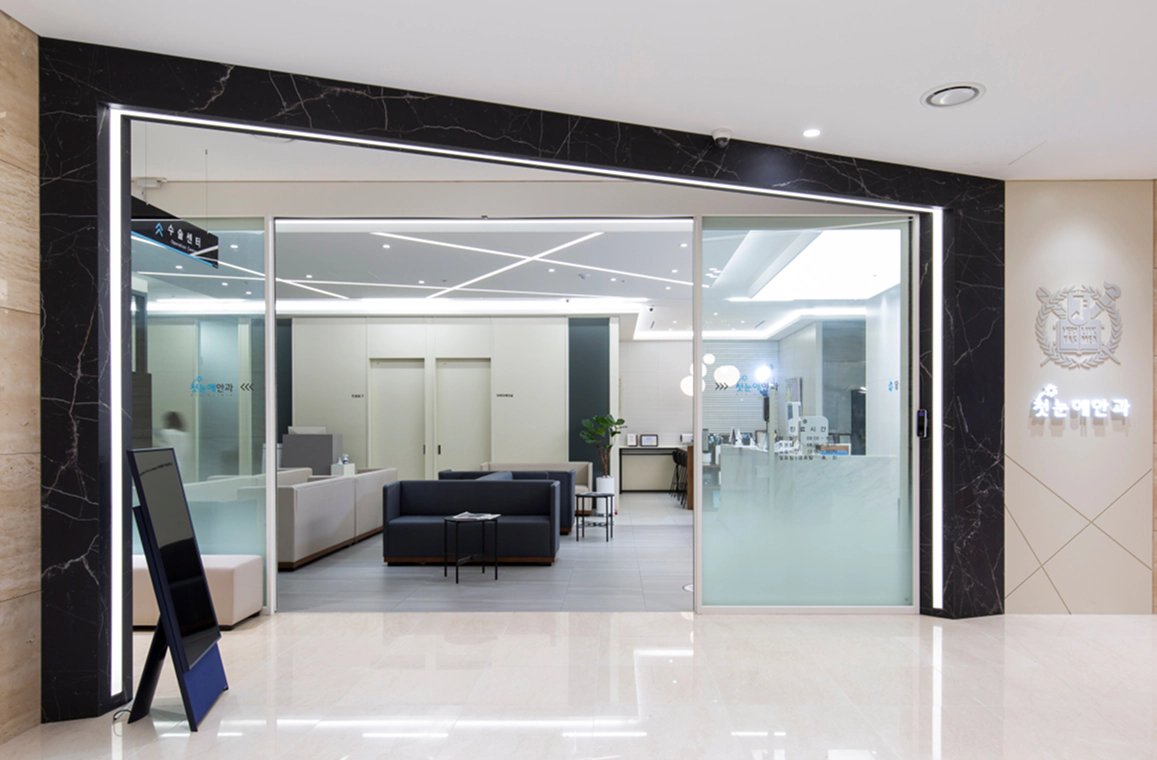 Cheotnunae Eye ClinicCheongdam · LASIK & eyeOn Teheran-roAlso on its menu: LASIK / LASEK, SMILE LASIK
See 9 more partner clinics
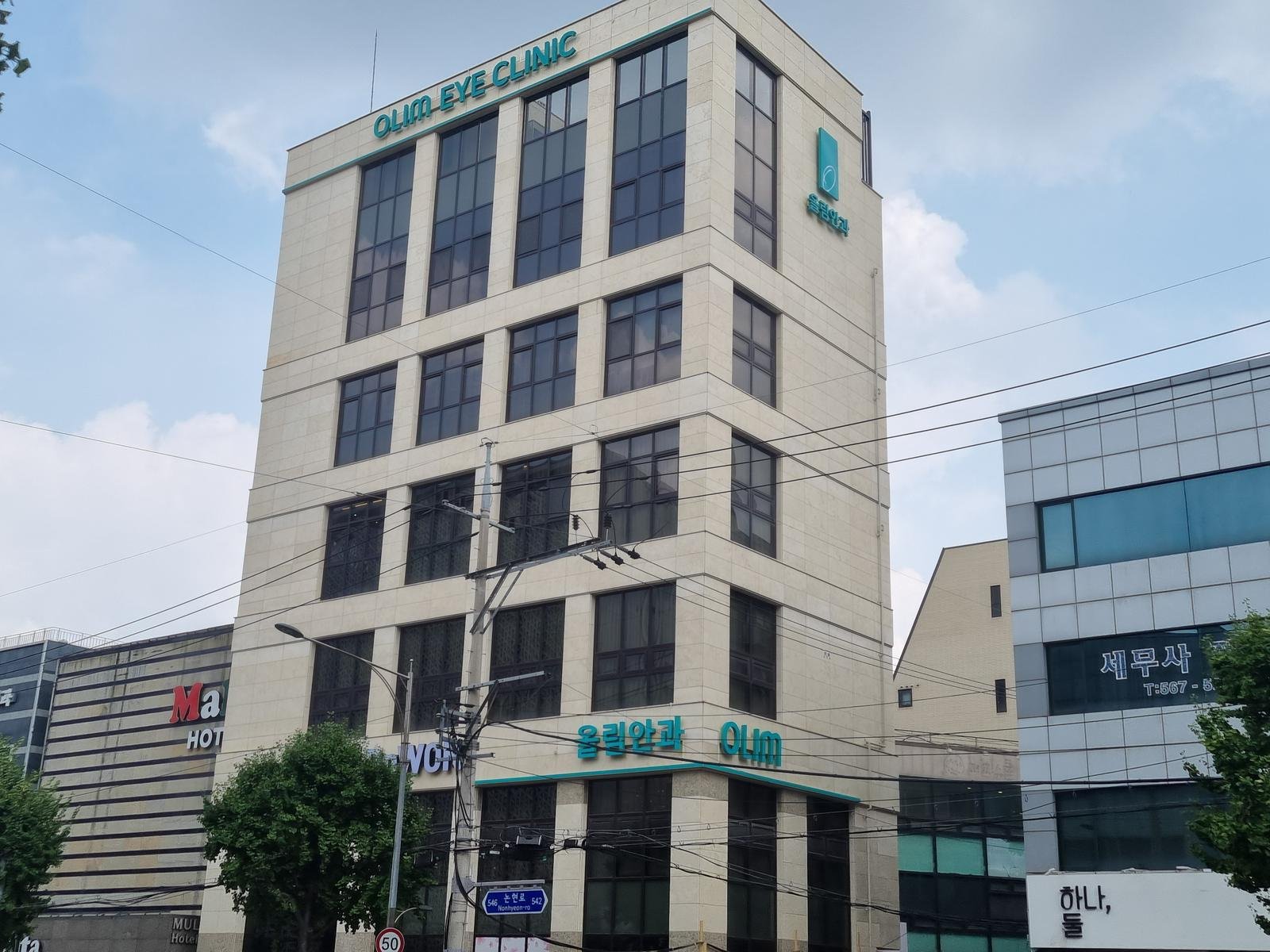 Olim Eye ClinicNonhyeon · LASIK & eyeOn Nonhyeon-roAlso on its menu: LASIK / LASEK, Health check-up
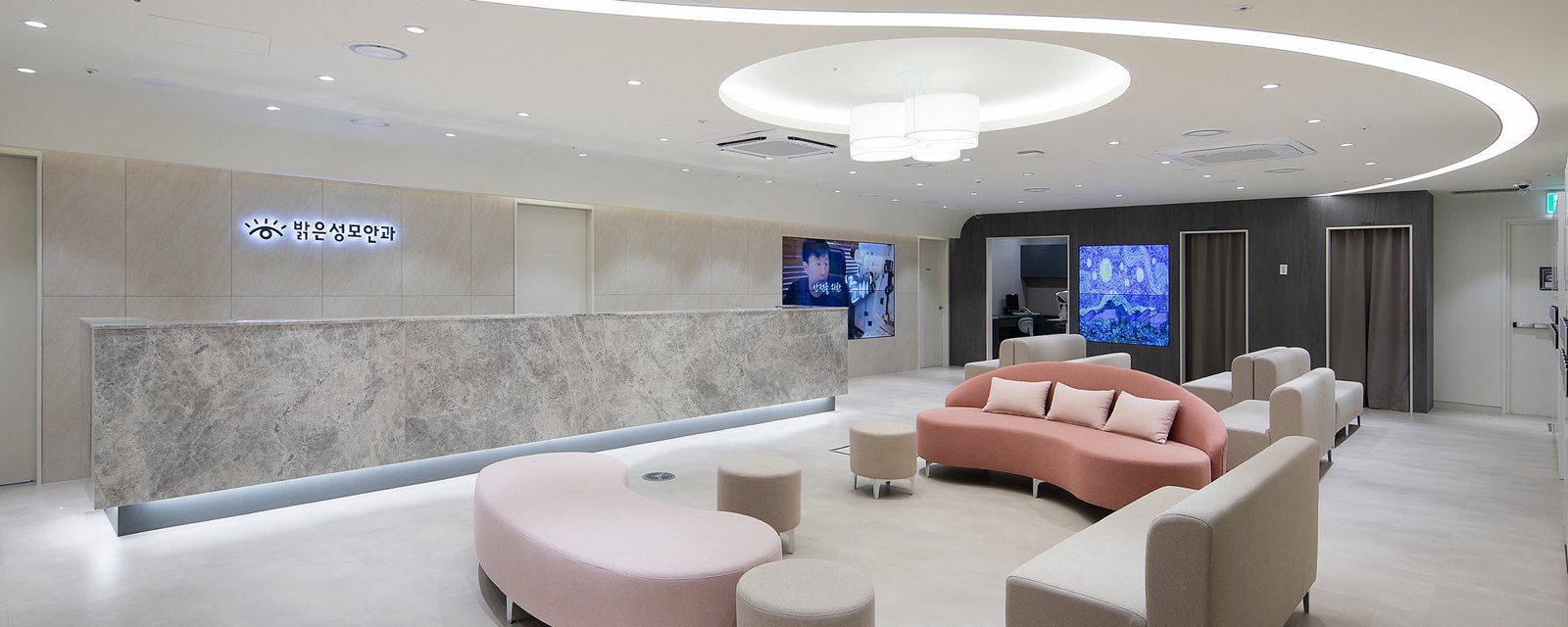 Bright St. Mary's Eye ClinicGangnam · LASIK & eyeOn Teheran-roAlso on its menu: LASIK / LASEK, SMILE LASIK
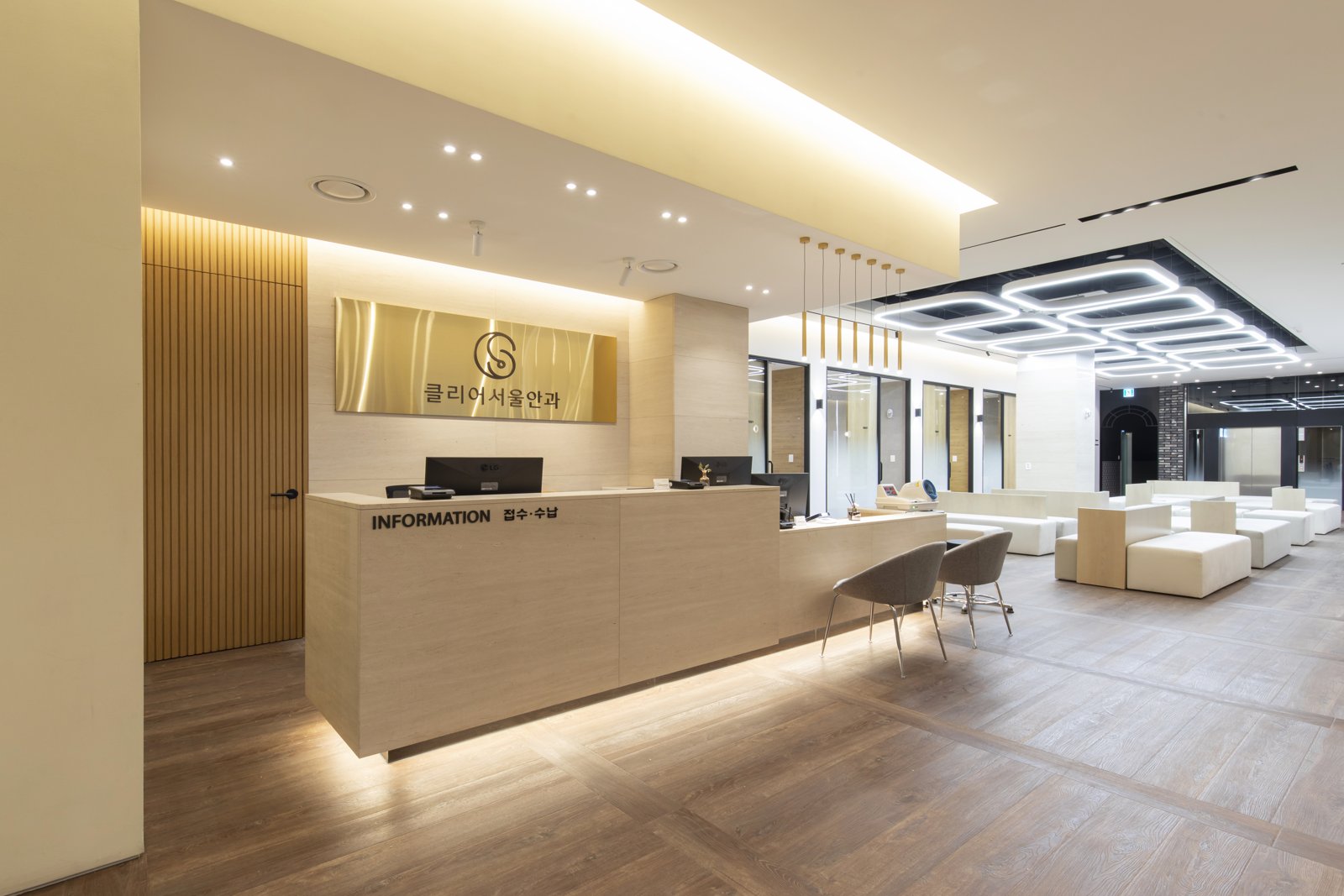 Clear Seoul Eye ClinicGangnam · LASIK & eyeOn Seocho-daero 77-gilAlso on its menu: LASIK / LASEK, SMILE LASIK, Health check-up
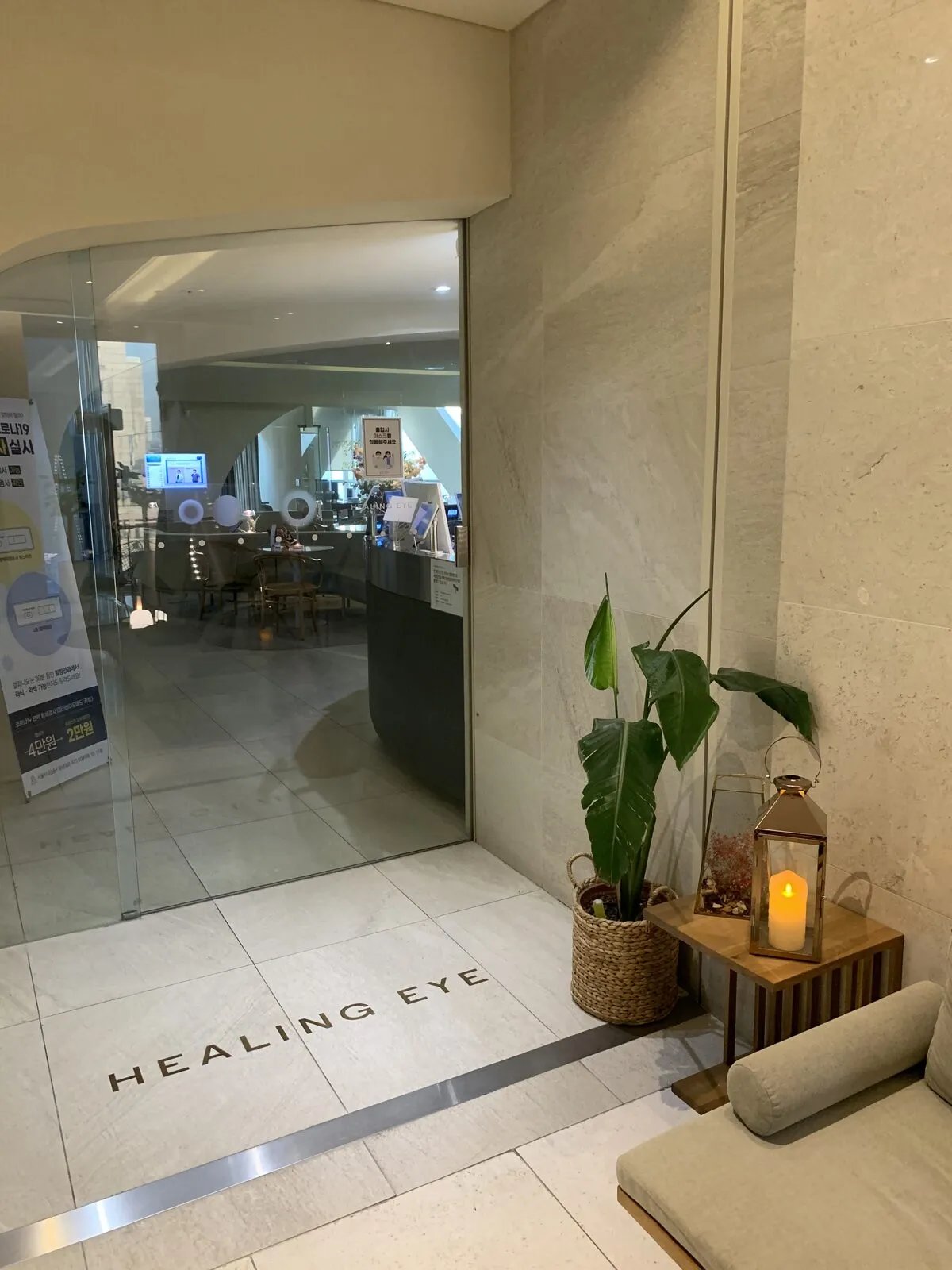 Healing Eye ClinicGangnam · LASIK & eyeOn Gangnam-daeroAlso on its menu: LASIK / LASEK, SMILE LASIK
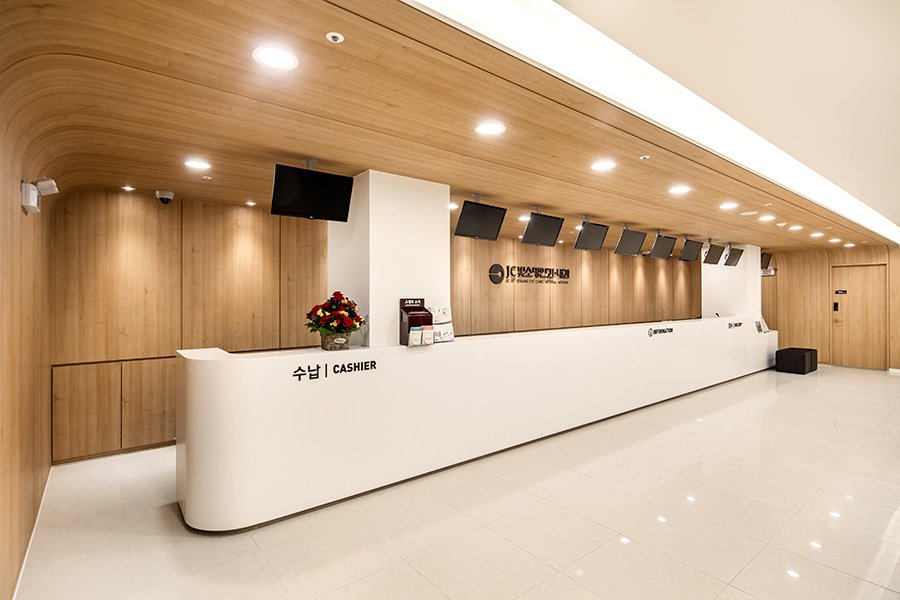 JC Bitsomang Eye ClinicYeouido · LASIK & eyeOn Gukjegeumyung-ro 6-gilAlso on its menu: LASIK / LASEK, SMILE LASIK
 Gangnam Bright Smile Eye ClinicGangnam · LASIK & eyeOn Gangnam-daeroAlso on its menu: LASIK / LASEK, SMILE LASIK
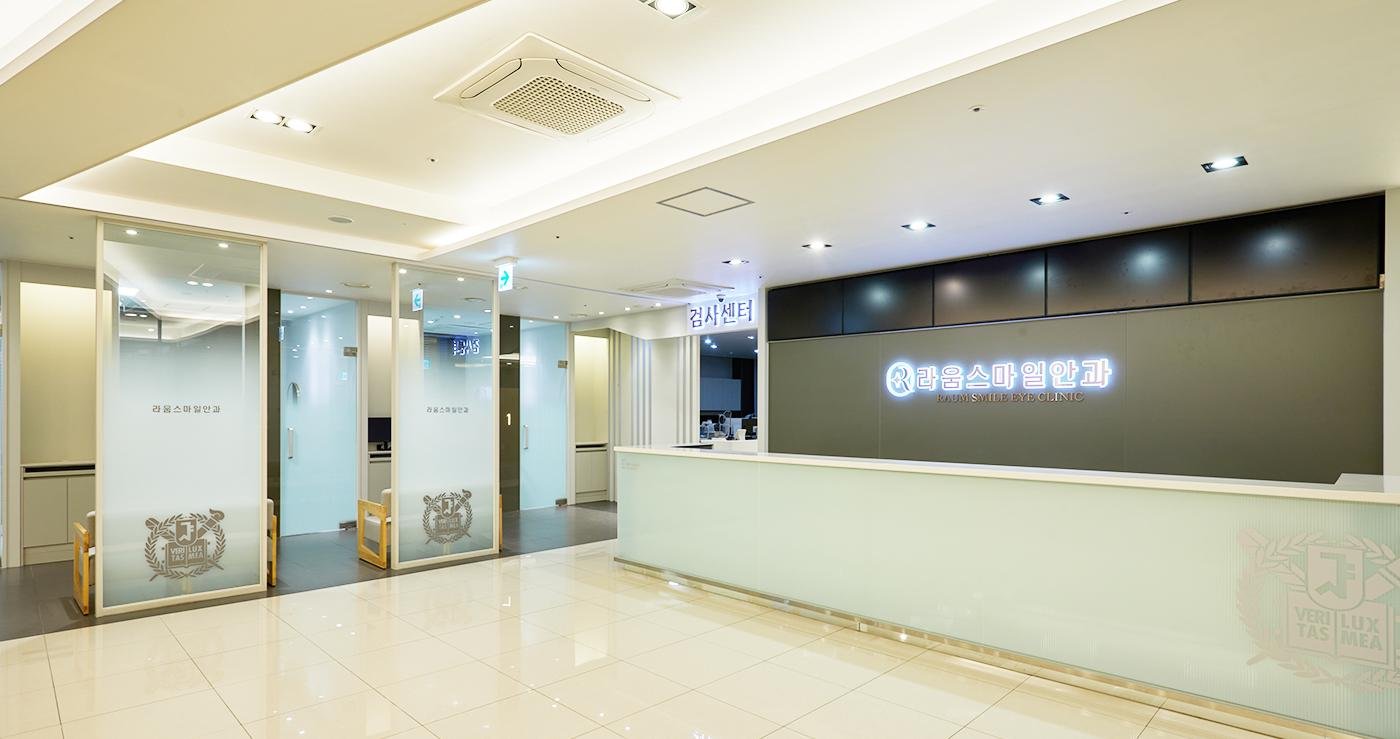 Raum Smile Eye ClinicGangnam · LASIK & eyeOn Teheran-ro 4-gilAlso on its menu: LASIK / LASEK, SMILE LASIK
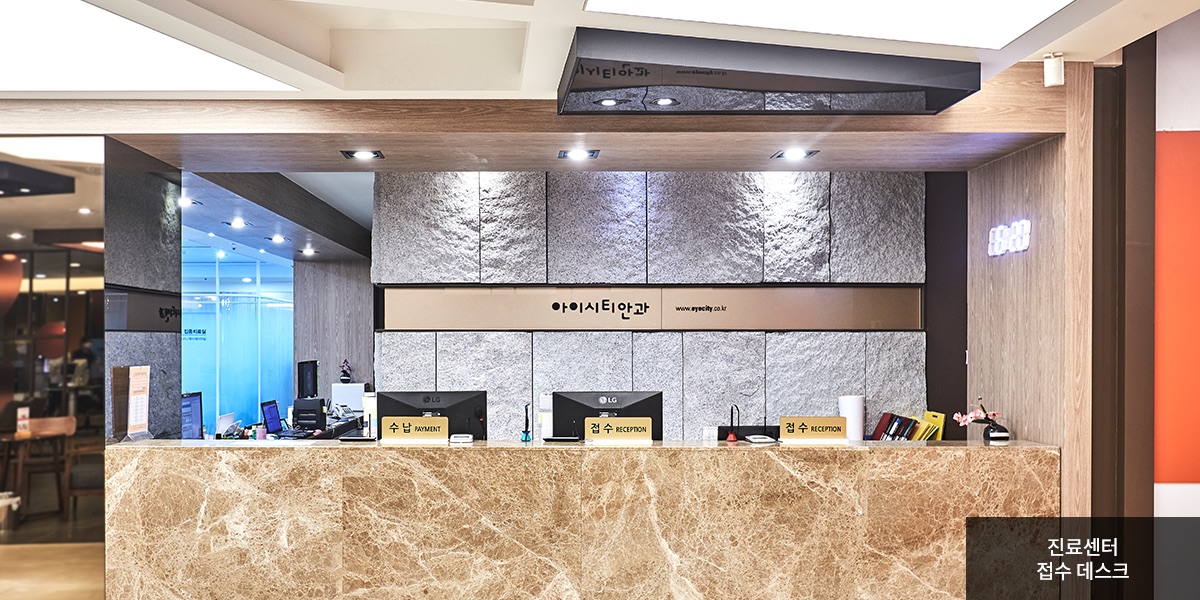 Eye City Eye Hospital BusanSeomyeon · LASIK & eyeOn Jungang-daeroAlso on its menu: LASIK / LASEK, SMILE LASIK, Health check-up
 BGN Eye Hospital BusanSeomyeon · LASIK & eyeOn Gaya-daeroAlso on its menu: LASIK / LASEK, SMILE LASIK, Health check-up
What to know
A thin lens goes inside your eye, in front of your natural lens, through a small incision. Laser surgery reshapes the cornea; ICL leaves it.
More
It is often discussed when a prescription is high or the cornea is thin. It is still eye surgery, and it needs checks for years, including wherever you live.
Common options
ICL for nearsightedness
A lens corrects the prescription.
The lens size comes from measurements of your eye, and it may need ordering before surgery.
Toric ICL
A lens that also corrects astigmatism.
Usually costs more. The lens must sit at the right angle.
LASIK or SMILE
A laser reshapes the cornea instead.
No lens in the eye. Your corneal thickness and prescription decide whether these fit.
How much does ICL cost in Korea?
Rough range from public sources
About KRW 4,700,000–7,500,000, both eyes
≈ US$3,500–5,600, both eyes, at a recent exchange rate
Rough range from public Korean price guides, checked November 2026. Toric lenses tend to sit higher.
Clinics set their own prices, and the lens is a large part of the cost. Use this range to plan.
What changes the price
- Standard or toric lens
- The lens model named on the quote
- One eye or both, one day or two
- Follow-up visits, and who pays if a lens must be exchanged
Ask the clinic about
- Pre-surgery exam
- Lens and surgery for both eyes
- Anesthesia and eye drops
- Follow-up visits in Korea
- Lens exchange or removal terms
Timeline
- Before you fly
- Stop contact lenses before the exam. One US eye hospital asks for 2 weeks. Ask your clinic for its rule.
- Exam
- Measurements of your eye, including the cells inside the cornea. These decide whether ICL fits and which lens size.
- Surgery day
- About 30–60 minutes at the clinic, under local anesthesia. Ask whether both eyes are done the same day. Someone takes you back.
- Next day
- First check, including eye pressure and lens position.
- Days 1–3
- Many people return to light activity.
- About 1 week
- A further check in many clinics' schedules. Ask whether it can happen before you fly.
- 3 months, then yearly
- Common clinic schedule for lens position, pressure and corneal cells. Arrange this with an eye doctor at home.
From FDA patient information and clinic schedules. Your surgeon's schedule comes first.
Typical ranges from American Academy of Ophthalmology patient guides. Your doctor sets your own plan — general information, not medical advice. aao.org
How to choose a clinic
Look for
- 1An ophthalmology specialist (jeonmuneui) is named in writing as your surgeon, and does this surgery regularly.
- 2They show your corneal cell count, eye chamber depth and pressure, and explain what they mean for you.
- 3The quote names the lens model and whether it is toric.
More 3
- 4There is a written plan for exchange or removal if you are already home.
- 5The clinic is registered with Medical Korea to treat foreign patients.
- 6They give you records for your eye doctor at home.
What to ask at the consultation
- 1Are my corneal cell count and eye chamber depth within your limits?
- 2Why ICL for me, and not laser surgery?
- 3Which lens, what size, and do you have it now?
More 3
- 4Are both eyes done on one day? Why?
- 5If the lens needs exchange after I fly home, what happens and who pays?
- 6What should my eye doctor check each year?
Good to know before you book
The lens may need ordering
Yearly checks matter
Carry your lens card
Ask about exchange before surgery
Before you fly
- Ask the clinic when to stop contact lenses. Bring your glasses for the trip.
- Send your prescription and any past eye records.
- List your medicines and eye conditions, and tell the clinic if you are pregnant or nursing.
- Book a return date you can change, in case your lens arrives late or a check needs repeating.
- Arrange an eye doctor at home for the yearly checks.
Questions people ask
How much is ICL surgery in Korea?
A rough range is KRW 4,700,000–7,500,000 for both eyes, from public Korean price guides. Toric lenses tend to sit higher. You see the written quote before you fly; the clinic confirms the final price after your consultation.
Which ICL clinic in Korea is best for me?
We do not name a best clinic. Korean medical advertising law bans that claim, and the right clinic depends on your exam, the lens and your budget. Tell us those and a coordinator suggests 2–3 partner clinics.
How many days do I need in Korea?
People usually plan 4–7 days: the exam, surgery and checks. Add days if your lens has to be ordered.
When can I fly after ICL?
We found no society flying rule. One clinic source says after early checks confirm eye pressure and lens position, so ask your surgeon and plan the flight after that check.
Is ICL reversible?
A lens can be taken out or exchanged, but that is another surgery. Removing it does not undo every risk of the first surgery. Ask your surgeon before you decide.
Is ICL in Korea safe?
Every surgery has risks. FDA material lists vision loss, repositioning or removal, cataract, retinal detachment and corneal cell loss. No clinic can rule them out. Check the exam data and the follow-up plan on this page.
Do I need checks after I go home?
Yes. Clinic schedules commonly include yearly checks for lens position, pressure and corneal cells. Arrange an eye doctor before you go, and take your lens details with you.
Will someone interpret at the clinic?
Yes. Tell us when you ask and we arrange an interpreter for your visits.
General information, not medical advice. Your doctor decides what suits you.
Why KBW can suggest a clinic
- interpreters
- 88
- sessions interpreted
- 2,800+
- partner clinics
- 13
36 of the interpreters work in English. Sessions as recorded by November 2026. These partner clinics have this treatment on their menu.
- No fee from you
- Clinics pay KBW a commission, within the government cap. The clinic's price stays its own.
- Since 2021
- Registered Foreign Patient Facilitator No. A-2024-01-01-5755 (Seoul Metropolitan Government).
What else do you need for this trip?
ICL (implantable lens) · Gangnam · Typical recovery 1–3 days
Numbers match the list
Tap Add and it goes into one plan.
- 1Studio apartment in GangnamAlso in Gangnam≈ US$81.02~ / night

- 2Appartment in Seoul GangnamAlso in Gangnam≈ US$68.39~ / night

- 3Adams Home Residence Aurora SuiteAlso in Gangnam≈ US$57.03~ / night

- 4DoDo Stay · Studio apartment in GangnamAlso in Gangnam≈ US$485.50~ / night

- 5Gangnam Apartment (35m², 1 Bedroom, 2 Bathrooms)Also in Gangnam≈ US$460.72~ / night

Prices are from-rates and vary by date. Each stay page shows the price for your dates.
Your treatment day
MorningBGN Eye Clinic Gangnam
14 min walk
AfternoonStudio apartment in Gangnam
Times are only a guide — the clinic confirms your appointment.
General travel planning, not medical advice — follow your clinic's instructions.