Hair Transplant in South Korea
A transplant moves your own follicles to thinning areas. People usually plan 3–7 days; growth takes months.
- Rough cost, varies by clinic₩2,000–10,000 per graft≈ S$1.9–9.6 per graft
- Time at clinic
- 4–8 hours
- Anesthesia
- Local
- Typical recovery
- 7–14 days
- Days in Korea
- 3–7 days
Your days in Korea
- 1
- 2
- 3
- 4
- 5
- 6
- 7
Which hair transplant clinic is best for you?
A KBW coordinator shortlists 2–3 partner clinics for your concern and budget.
Tell us your concern in the chat.
Reply within 24 hoursNo fee to KBW
Get up to 10% back in KBW points after your treatment. Your rate is explained after the consultation.
Clinics we can arrange
Partner clinics with hair transplant on their own menu, own department first, then Seoul. This order is not a ranking.
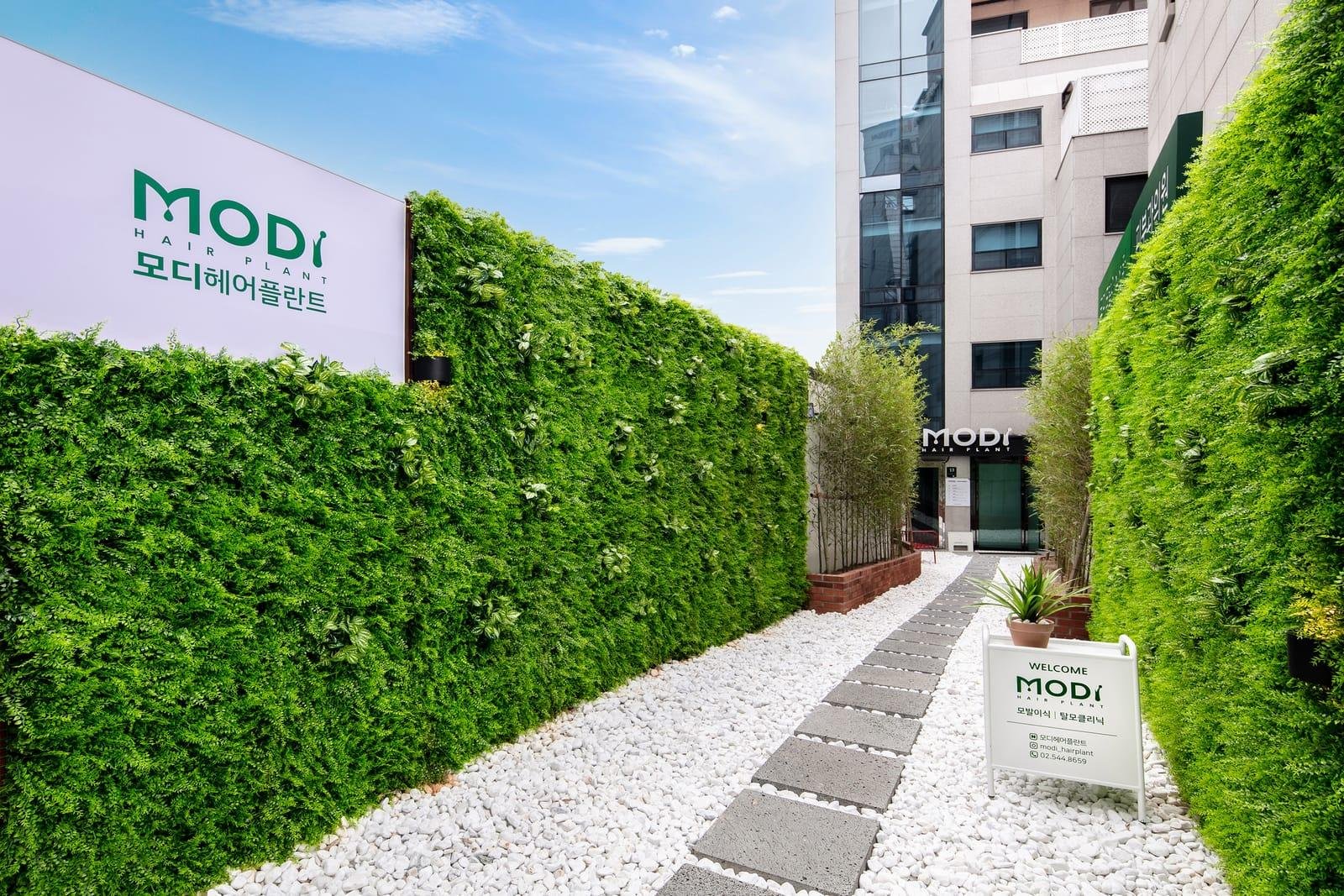 MODI Hair Plant ClinicGangnam · Hair transplantOn Gangnam-daero 91-gilAlso on its menu: Ulthera / HIFU lifting, Thermage
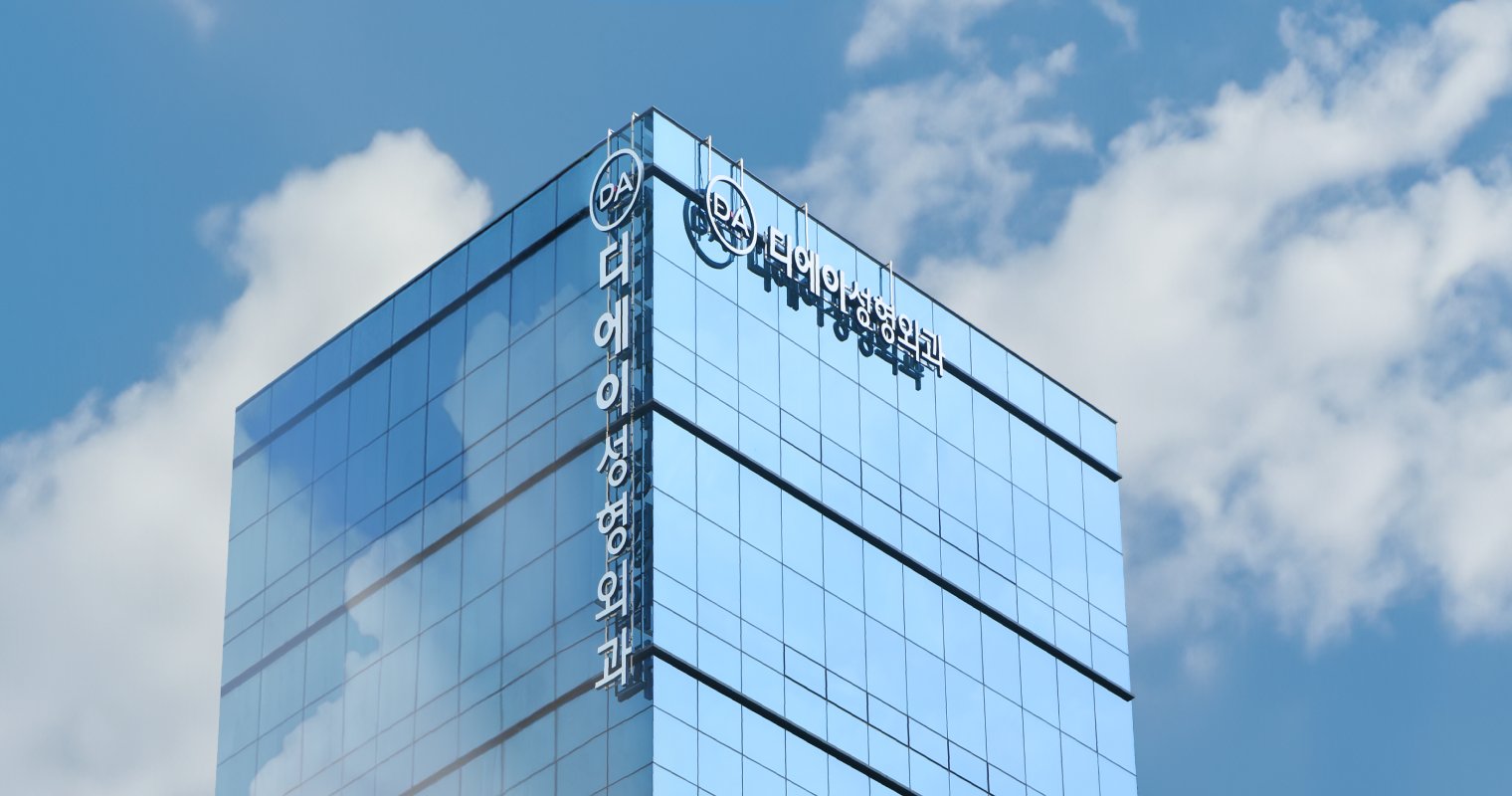 DA Plastic SurgeryGangnam · Plastic surgeryOn Teheran-roAlso on its menu: Double eyelid surgery, Rhinoplasty, Facial contouring (jaw, cheekbone)
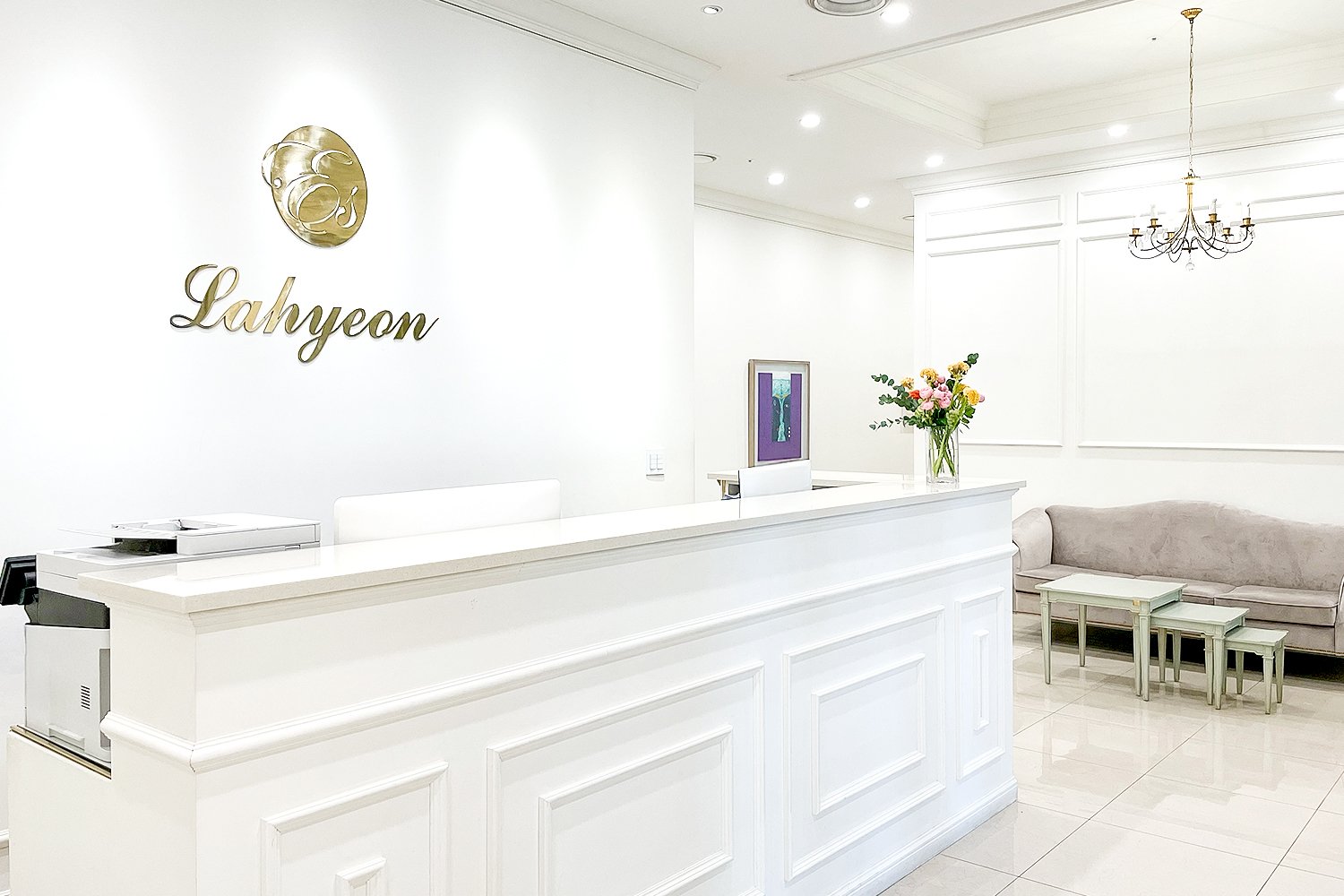 Rahyeon ClinicCheongdam · Plastic surgeryOn Dosan-daeroAlso on its menu: Dermal filler, Botox, Breast augmentation
 Be & Me Clinic ApgujeongGangnam · Plastic surgeryOn Apgujeong-ro 46-gilAlso on its menu: Double eyelid surgery, Rhinoplasty, Thread lift

What to know
Surgeons move follicles from the back of your scalp to thinning areas. It is surgery, it cannot be undone, and it does not stop further loss.
More
A doctor should first diagnose why your hair is thinning. Some causes need treatment, not grafts. Your donor area sets how many grafts you have to spend.
Common methods
FUE
Follicles are taken one by one from the back of the scalp.
No linear scar, but small dot scars. The donor area is usually shaved.
Non-shaved FUE
FUE with less or no shaving.
Takes more labor and time, and typically costs more. Not suitable for every case.
FUT (strip)
A strip of scalp is removed and divided into grafts.
Leaves a linear scar, which limits how short you can cut your hair.
More 1
Repair
Corrects an earlier transplant.
Donor hair is already used, so options depend on what is left. Bring your records.
How much does a hair transplant cost in Korea?
Rough range from public sources
About KRW 2,000–10,000 per graft
≈ S$1.9–9.6 per graft, at a recent exchange rate
Rough range from 2024 Korean health agency data reported in 2025 and from public clinic guides, checked November 2026.
Clinics usually price by graft, and Korean government data show wide differences. Use this range to plan.
What changes the price
- Number of grafts
- FUE, non-shaved FUE or FUT
- Who does the extraction and who makes the incisions
- Consultation, medicines and follow-up, if charged separately
Ask the clinic about
- Graft count, and whether “graft” means one follicle unit
- Method
- Anesthesia
- Medicines and first wash
- Follow-up visits
- VAT
Timeline
- Consultation
- A doctor diagnoses the cause, draws the hairline and counts the grafts. Ask for this before surgery day.
- Surgery day
- About 4–8 hours under local anesthesia, with breaks.
- Next days
- A check at the clinic and your first wash, often there. People usually plan the flight after this, within 3–7 days in Korea.
- Days 7–14
- Scabs usually fall off and redness eases.
- 2–8 weeks
- Transplanted hairs often shed. Clinics describe this as a normal phase.
- 3–4 months
- New growth often starts.
- 12–18 months
- Clinics often judge the final result at this stage. Hair loss around the grafts may continue.
From ISHRS (International Society of Hair Restoration Surgery) and clinic sources. Your surgeon's schedule comes first.
Typical ranges from International Society of Hair Restoration Surgery patient guides. Your doctor sets your own plan — general information, not medical advice. ishrs.org
How to choose a clinic
Look for
- 1The doctor is named in writing, and you meet them before surgery day.
- 2A doctor diagnoses the cause of your hair loss first.
- 3They tell you exactly who extracts, who makes incisions and who places grafts.
More 3
- 4They plan your hairline with your age and future loss in mind.
- 5The clinic is registered with Medical Korea to treat foreign patients.
- 6You have a written plan for problems after you fly home.
What to ask at the consultation
- 1Why is my hair thinning, and is surgery right now?
- 2How many grafts, and how many can my donor area spare over my life?
- 3Who does each step of the surgery?
More 3
- 4FUE or FUT for me, and why?
- 5What may I need for further loss: medicine or more surgery?
- 6When can I fly, and what do I do about washing and hats?
Good to know before you book
The VAT refund has ended
Ask who holds the tools
Graft counts can mislead
Plan for future loss
Take your records home
Before you fly
- Send front, top, crown and donor area photos.
- Bring records of any past transplant.
- List your medicines and supplements. Ask which to stop and when, including blood thinners and hair medicines.
- Book a return date you can change. Bring a loose hat that does not press on the grafts, and ask the clinic when you can wear it.
- Check whether your travel insurance covers elective surgery. Many policies do not.
Questions people ask
How much is a hair transplant in Korea?
A rough range is KRW 2,000–10,000 per graft. Korean data reported in 2025 put the average total for over 2,000 grafts in Seoul near KRW 6,900,000 in 2024. You see the written quote before you fly; the clinic confirms the final price after your consultation.
Which hair transplant clinic in Korea is best for me?
We do not name a best clinic. Korean medical advertising law bans that claim, and the right clinic depends on your diagnosis, method and budget. Tell us those and a coordinator suggests 2–3 partner clinics.
Korea or Turkey for a hair transplant?
We do not compare countries or clinics. In any country, ask who performs each step, whether a doctor diagnoses you first, how the grafts are counted, and what follow-up you get after you fly home.
How many days should I stay?
People usually plan 3–7 days: the consultation, surgery and a check with your first wash. Scabs usually fall off in 7–14 days, often after you are home.
When can I fly after a hair transplant?
We found no society flying rule, so ask your clinic. People usually plan the flight after the check and first wash. Ask how to protect the grafts on the plane.
When will I see results?
Clinics often describe shedding at 2–8 weeks, growth starting at 3–4 months, and the final result at 12–18 months. Results differ, and no clinic can promise a density.
Can women have a hair transplant?
Yes, when appropriately selected and diagnosed. Thinning in women has many causes, so a doctor should find the cause before anyone discusses grafts.
Why are there no reviews or before-and-after photos here?
Korean medical advertising law bars treatment reviews and before-and-after photos in this kind of advertising. Ask a coordinator what you want to know, and ask the clinic at your consultation.
Will someone interpret at the clinic?
Yes. Tell us when you ask and we arrange an interpreter for your visits.
General information, not medical advice. Your doctor decides what suits you.
Why KBW can suggest a clinic
- interpreters
- 88
- sessions interpreted
- 2,800+
- partner clinics
- 5
NaN of the interpreters work in English. Sessions as recorded by November 2026. These partner clinics have this treatment on their menu.
- No fee from you
- Clinics pay KBW a commission, within the government cap. The clinic's price stays its own.
- Since 2021
- Registered Foreign Patient Facilitator No. A-2024-01-01-5755 (Seoul Metropolitan Government).
What else do you need for this trip?
Hair transplant · Gangnam · Typical recovery 7–14 days
Numbers match the list
Tap Add and it goes into one plan.
- 1Hotel ElienaAlso in Nonhyeon≈ S$172.92~ / night

- 2Ananti at GangnamAlso in Nonhyeon≈ S$603.79~ / night

- 3PATIO7 HotelAlso in Nonhyeon≈ S$118.68~ / night

- 4Grand Mercure Imperial Palace SeoulAlso in Gangnam≈ S$244.29~ / night

- 5Loop Seoul Hotel Anook Seoul Gangnam 2ndAlso in Nonhyeon≈ S$126.64~ / night

Prices are from-rates and vary by date. Each stay page shows the price for your dates.
Your treatment day
MorningDA Plastic Surgery
20 min walk
AfternoonHotel Eliena
Times are only a guide — the clinic confirms your appointment.
General travel planning, not medical advice — follow your clinic's instructions.